Top of the River Coleslaw Recipe: Why It’s So Sweet & How to Make It

I didn’t expect coleslaw to be this tricky.The first time I tried recreating the Top of the River coleslaw recipe, it looked perfect—but the taste was off. Too sharp. Almost aggressive. It didn’t have that smooth, slightly sweet, balanced flavor I remember.

It took me a couple of tries (and one honestly forgettable batch) to understand what was missing. And surprisingly, it wasn’t some secret ingredient—it was timing and balance.

What Actually Changed Everything

The biggest shift for me was when I mixed the dressing with the cabbage.

At first, I tossed everything together and served it almost immediately. That’s where I went wrong.

Coleslaw needs time. Not hours and hours—but enough for the cabbage to soften slightly and absorb the dressing.

Also, I adjusted the sugar-to-vinegar ratio just a bit. That’s where the magic happens.
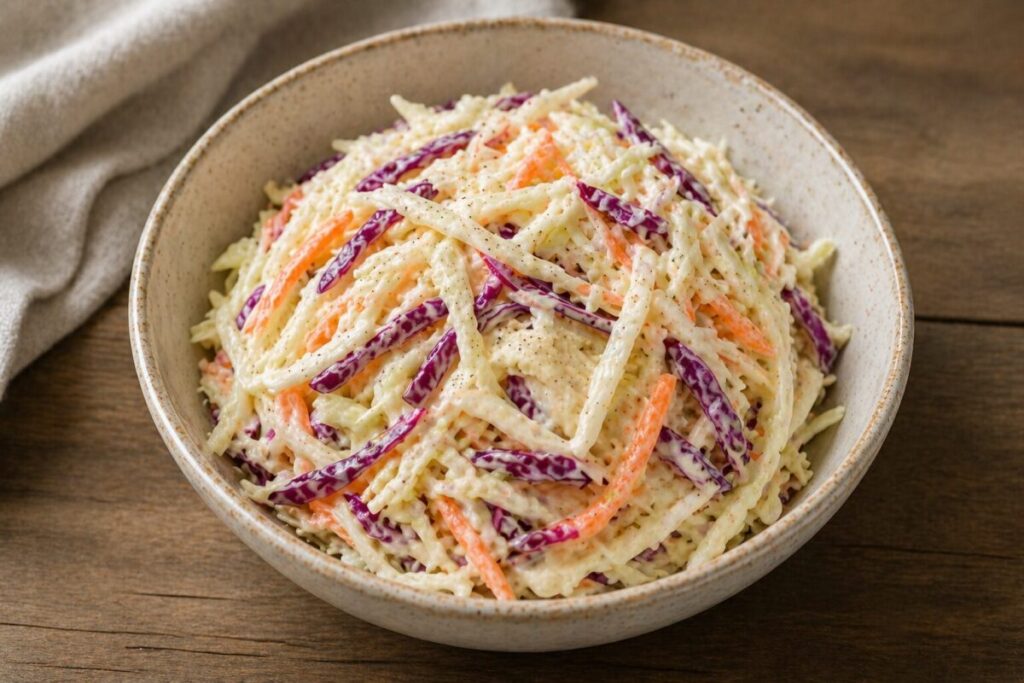
What You’ll Need (But Also What Matters)

You don’t need anything fancy here, but proportions matter more than you think.

Ingredients:

  • Green cabbage (finely chopped)
  • Carrots (grated)
  • Mayonnaise
  • White vinegar
  • Sugar
  • Salt
  • Black pepper

One thing I noticed:
Pre-shredded cabbage didn’t give the same result. It felt drier and slightly tougher. When I chopped it myself, the texture was noticeably better.

How I Make It Now (After Fixing My Mistakes)

I don’t follow this like a strict recipe anymore—I go by feel a bit.

Step 1.Start with the cabbage

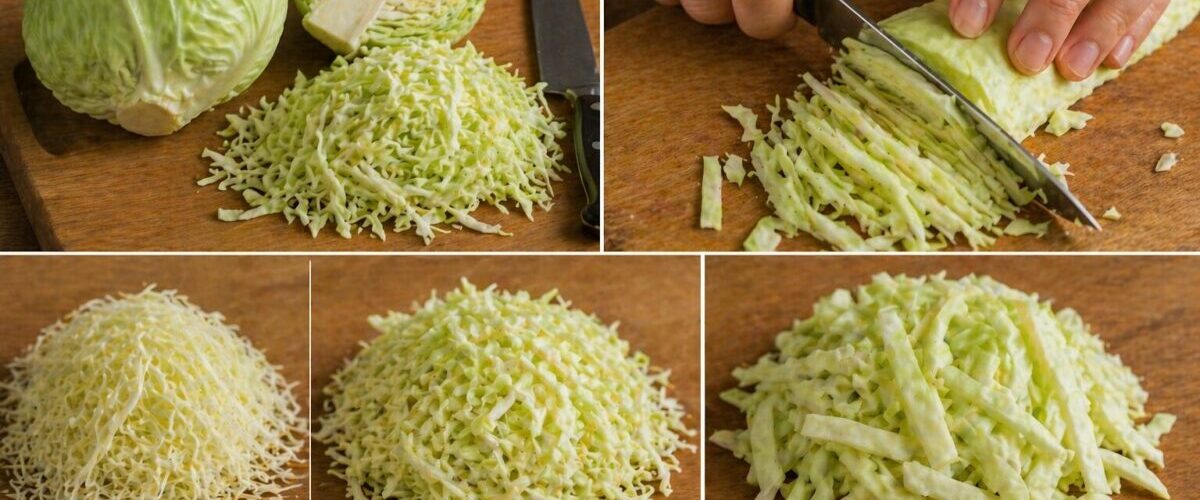
Finely chop it—not too thick, not too thin. Somewhere in between works best.
Too thin = soggy
Too thick = crunchy in a bad way

Step 2.Add carrots

Just enough for color and slight sweetness. Too much can overpower the balance.

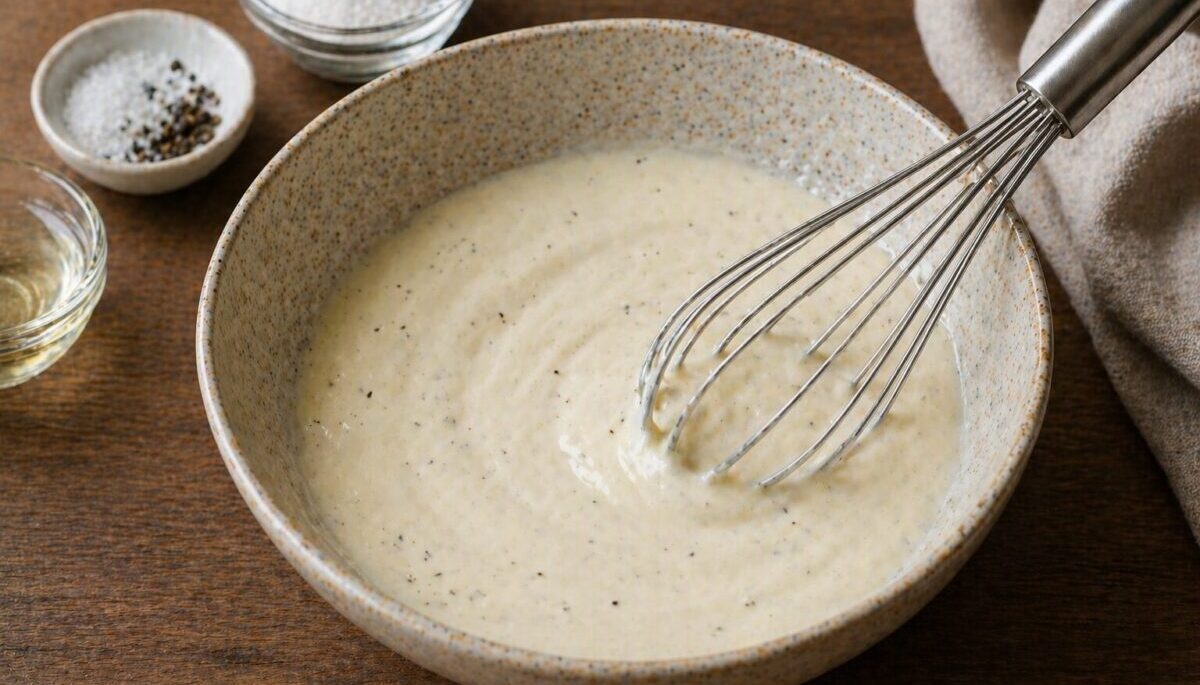
Step 3.Make the dressing separately

Mix mayo, sugar, vinegar, salt, and pepper.

Taste it before adding
This is where I messed up initially—I didn’t adjust it beforehand.

Step 4.Combine and mix well

Make sure every bit of cabbage is coated.

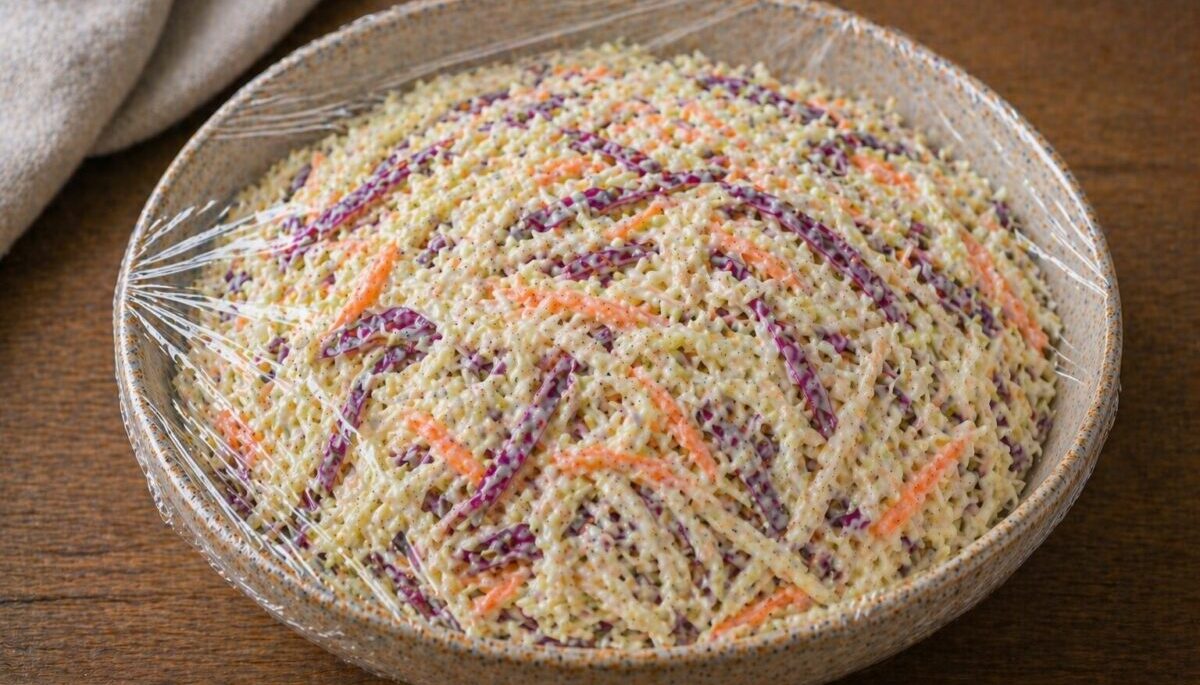
Step 5.Let it rest

This is non-negotiable.

At least 30–60 minutes.

The difference between fresh-mixed and rested coleslaw is huge.

Where I Went Wrong (So You Don’t)

  • I added too much vinegar → it tasted harsh
  • I didn’t let it rest → flavors didn’t blend
  • I used too much carrot → made it oddly sweet
  • I skipped tasting the dressing → biggest mistake

Texture Is Everything Here

This surprised me.

The flavor was easy to fix, but the texture took more effort.

When it’s right:

  • Slight crunch
  • Not watery
  • Coated but not heavy

When it’s wrong:

  • Either too dry
  • Or too soggy

The resting time controls this more than anything.

How Close Is This to the Original?

Honestly, very close—but not identical.

The restaurant version feels slightly smoother and more uniform in texture.

Mine turned out:

  • A bit fresher
  • Slightly more pronounced in flavor

And I actually prefer that.

If you want it closer to the original:

  • Reduce vinegar slightly
  • Let it sit longer

Small Adjustments That Make a Big Difference

  • A tiny pinch more sugar balances everything
  • Letting it sit overnight deepens the flavor
  • Mixing twice (once now, once before serving) improves consistency

If You’re Short on Time

If you don’t want to wait:

  • Mix everything
  • Let it sit at least 15 minutes
  • Toss again before serving

It won’t be perfect—but still good.

Variations I Tried

  • Apple cider vinegar instead of white vinegar
    → slightly deeper flavor, less sharp
  • Less mayo version
    → lighter, but loses that creamy feel
  • Extra pepper
    → surprisingly nice if you like a bit of bite

Storing It (Important)

This actually gets better after a few hours.

  • Store in fridge
  • Best within 24 hours
  • After that, it starts losing texture

Give it a quick mix before serving again

A Question I Had Myself

Why does restaurant coleslaw taste smoother?

After trying multiple batches, I think it’s:

  • Finer chopping
  • More uniform mixing
  • Slightly more resting time

Nothing complicated—just more precision.

Final Thoughts

This was one of those recipes that taught me something simple but important:Once I stopped rushing it and started tasting along the way, everything changed.

Now it’s something I can make quickly—but still feel confident serving.

And honestly, it disappears faster than I expect every time I make it.

Leave a Comment

Your email address will not be published. Required fields are marked *

Scroll to Top