pappadeaux red beans and rice recipe

I thought this would be a straightforward copycat.

Beans, rice, sausage—how complicated can it be? That’s exactly what I told myself the first time I tried recreating a Pappadeaux red beans and rice recipe at home.

It came out… fine. Not bad, but not that deep, slow-cooked, slightly smoky flavor I remembered. It tasted like beans. Not like those beans.

The difference ended up being something I initially rushed: time and layering.
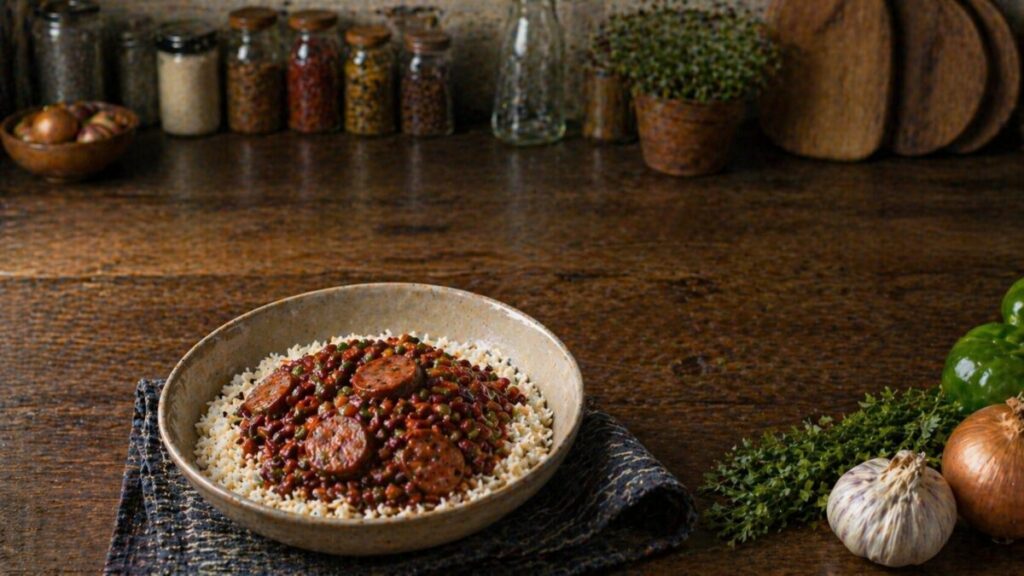
Where I Went Wrong the First Time

I treated it like a quick stovetop dish.

  • I didn’t sauté long enough
  • I added everything too quickly
  • I didn’t let it simmer properly

Result: flat flavor

What surprised me most? The ingredients were right—but the order and patience weren’t.

What Actually Makes This Taste Close to the Restaurant Version

After a couple of attempts, I realized this isn’t just a recipe—it’s more like a slow build.

Three things made the biggest difference:

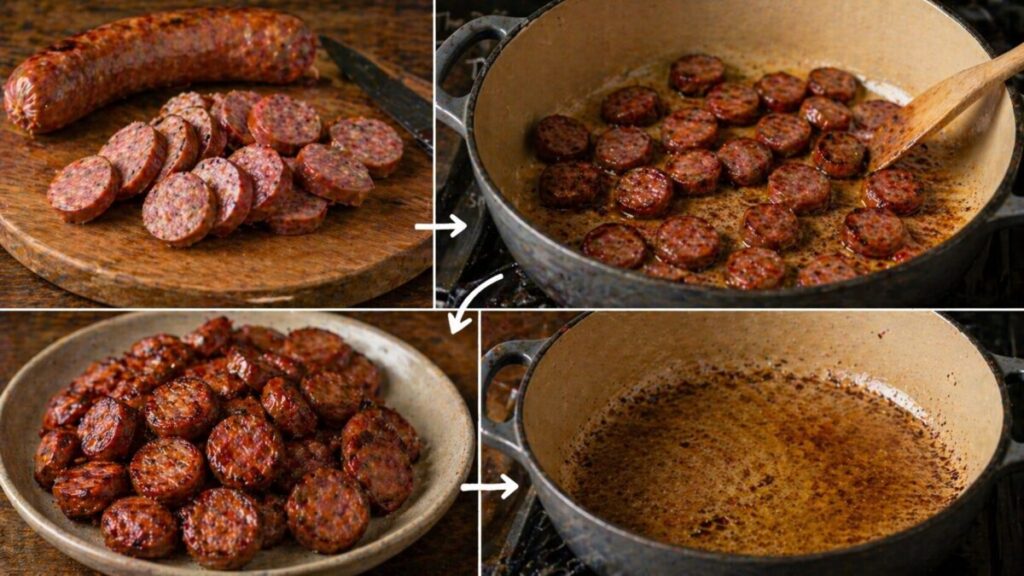
  • Cooking the sausage first and using that fat
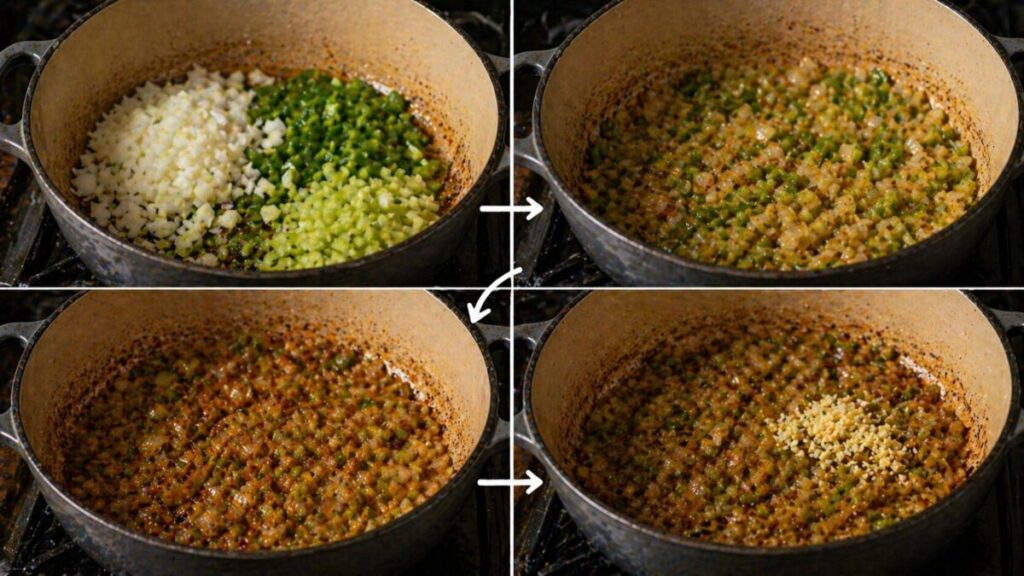
  • Letting the aromatics cook longer than I thought necessary
  • Giving the beans enough time to break down slightly

That last part is key.

When the beans start softening and thickening the liquid naturally, everything changes.

What You’ll Need (And What Matters More Than You Think)

Here’s what I used consistently once I got it right:

  • Red beans (soaked overnight works best)
  • Andouille sausage
  • Onion
  • Bell pepper
  • Celery
  • Garlic
  • Chicken broth
  • Cajun seasoning
  • Bay leaves
  • Cooked white rice

Small note:
The sausage matters more than I expected. A smokier one made a noticeable difference.

How I Cook It Now (After Fixing My Mistakes)

I don’t rush any part of this anymore.

1. Start with the sausage

Slice and cook it until slightly browned.

Don’t just cook it—let it develop a bit of color. That’s where the flavor starts building.

Remove it, but keep the fat in the pot.

2. Build the base

Add onion, bell pepper, and celery.

Cook longer than you think.

At first, I stopped when they softened—but letting them go until slightly golden made the dish much richer.

Add garlic at the end so it doesn’t burn.

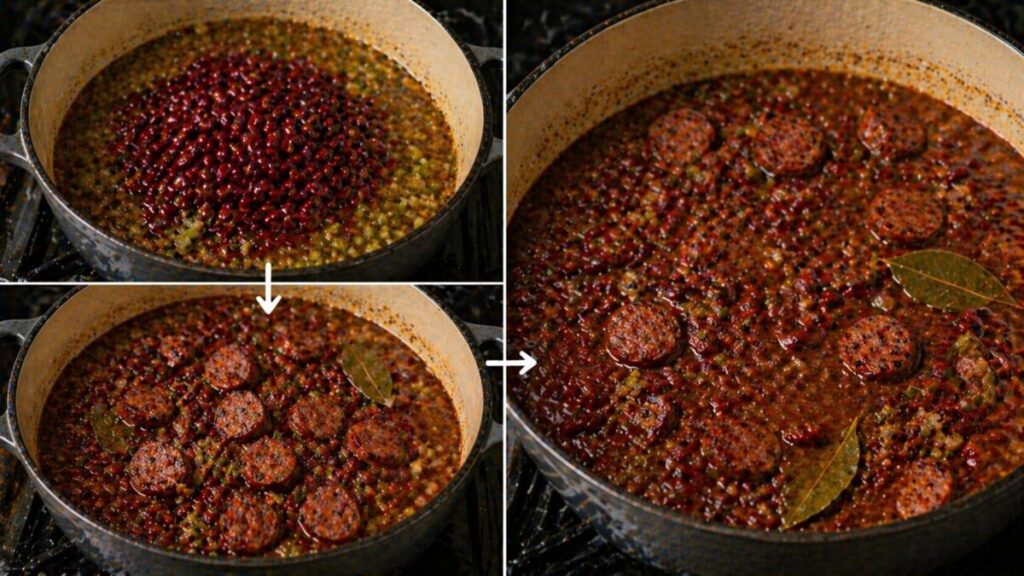
3. Bring everything together

Add beans, broth, sausage, bay leaves, and seasoning.

This is where it starts smelling right.

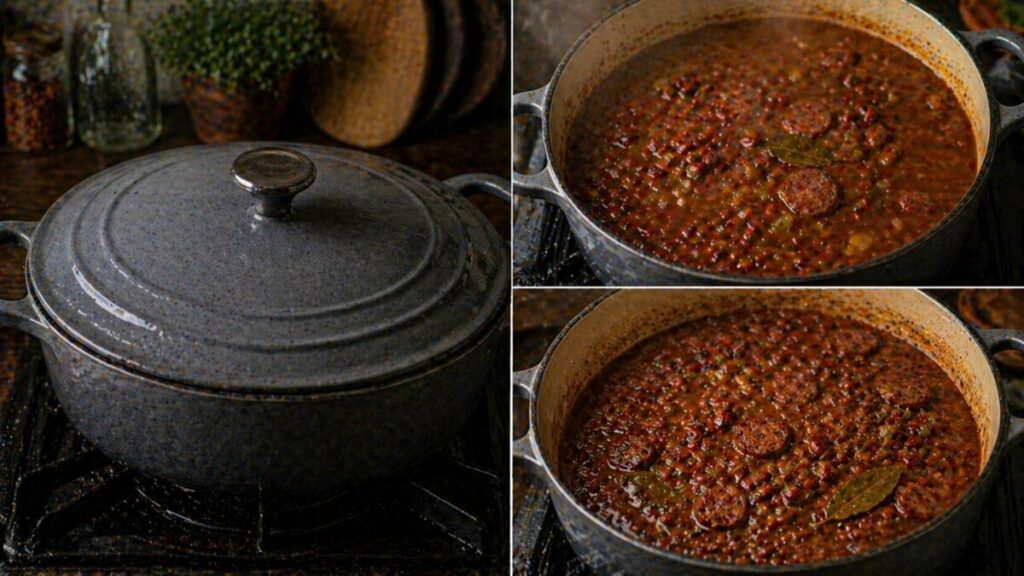
4. Let it simmer (this is the real step)

Low heat. Covered.

At least 1.5–2 hours.

Around the 1-hour mark, I usually check:

If the beans are soft but the liquid is still thin, just keep going.

5. Adjust texture

Sometimes I mash a small portion of the beans.

Not all—just enough to thicken it naturally.

This made a huge difference compared to my first attempt.

6. Serve over rice

Simple white rice works best.

The beans carry all the flavor.

Texture & Flavor (What You Should Notice)

When it’s right:

  • Thick, not watery
  • Slightly creamy from the beans
  • Smoky from sausage
  • Deep, layered flavor

When it’s off:

  • Too thin → not cooked long enough
  • Too bland → base wasn’t developed properly

A Small Adjustment That Changed Everything

I once added a pinch more Cajun seasoning at the end instead of during cooking.

That gave it a sharper finish—but honestly, I preferred adding seasoning gradually during cooking.

It blends better that way.

If You Want It Closer to Restaurant Style

From my testing:

  • Use a smokier sausage
  • Let it cook longer than you think
  • Slightly mash the beans at the end

That’s what got it closest for me.

What I Noticed About Timing

This dish doesn’t reward shortcuts.

Even 20–30 extra minutes of simmering made a difference in:

  • Thickness
  • Flavor depth
  • Overall balance

That was the biggest lesson.

Storage (And Something Interesting)

This actually tastes better the next day.

  • Store in fridge
  • Reheat gently
  • Add a splash of broth if too thick

Flavor deepens overnight—noticeably.

One Question I Had While Making This

Why do restaurant versions taste smoother?

After trying multiple batches, I think it’s:

  • Longer cooking time
  • Better ingredient balance
  • Slightly more fat from sausage

Nothing fancy—just more patience.

Final Thoughts

This was one of those recipes where I had to stop treating it like a quick meal and start treating it like a slow process.

Once I did that, everything changed.

Now it’s something I don’t rush—and it shows in the final result.

And honestly, once you get it right, it’s the kind of dish that feels way more impressive than the effort suggests.

Leave a Comment

Your email address will not be published. Required fields are marked *

Scroll to Top