Outback Blackberry Sangria Recipe (The Balance That Finally Worked for Me)

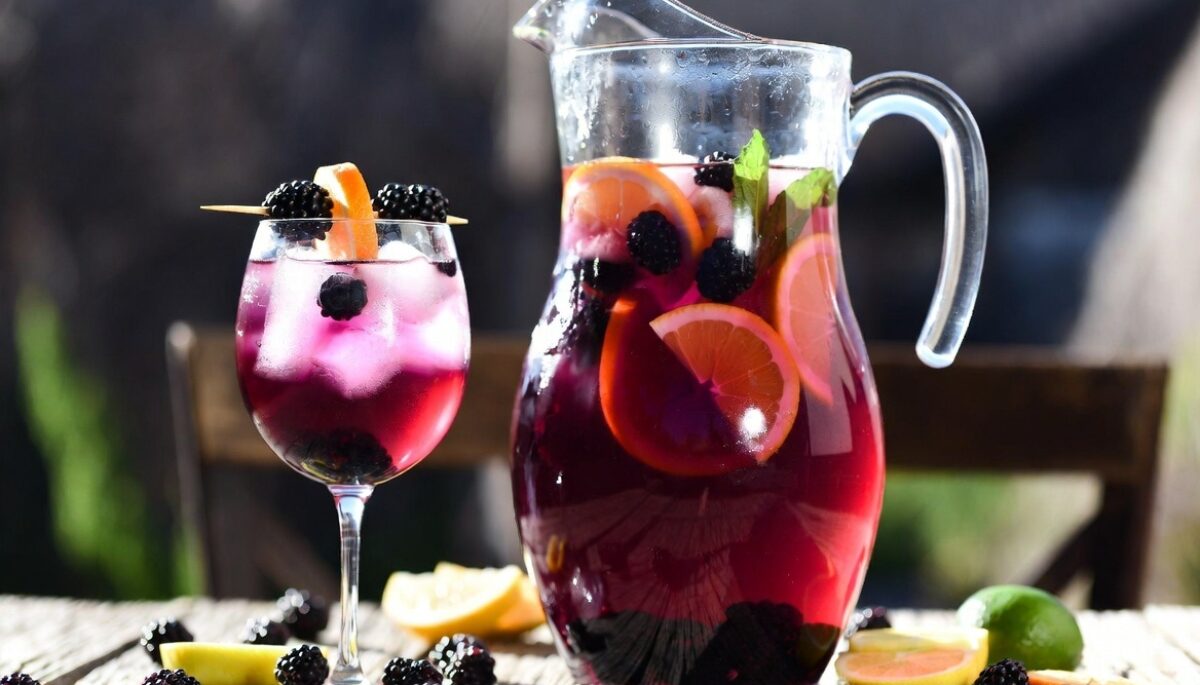
Outback Blackberry Sangria image

The first time I made an Outback Blackberry Sangria Recipe at home, I thought it would be simple: wine, fruit, a bit of juice, and done. But what I ended up with tasted more like sweet fruit punch than something you’d get at a restaurant.

Not terrible… just not right.

It took me a couple of attempts to realize that this drink isn’t about mixing ingredients—it’s about how those ingredients settle and balance over time. Once I understood that, everything changed.
Quick Version (If You Just Want to Make It)

If you’re short on time, this version worked best for me:

  • 2 cups red wine (slightly sweet works better than very dry)
  • ¼ cup orange juice
  • 1 tablespoon brandy
  • ½–¾ cup fresh blackberries
  • 1–2 teaspoons blackberry syrup (optional)
  • Small squeeze of lemon juice

Chill for at least 2–3 hours before serving.

Ingredients at a Glance

Here’s the same setup in a clearer format:

  • Red wine (fruit-forward, not too dry)
  • Fresh blackberries (some lightly crushed)
  • Orange juice
  • Brandy
  • Lemon juice
  • Optional blackberry syrup

 Switching from a dry wine to a slightly sweeter one made a noticeable difference—it reduced the need for extra sugar and made the drink smoother overall.

What Didn’t Work the First Time

My first attempt had two clear issues:

  • I added too much juice thinking it would enhance flavor
  • I tasted it immediately after mixing

At that point, it felt sharp and disconnected—like each ingredient was doing its own thing.

That’s when I realized:

How I Make It Now (After Fixing Those Mistakes)

Start with the berries

I lightly crush a portion of the blackberries first.

Not completely—just enough to release juice.

The first time I skipped this, the drink tasted lighter but lacked depth.

Build the base slowly

I mix the wine, orange juice, and brandy first.

Then I taste before adding anything else.

This step helped me avoid over-sweetening, which was my main issue earlier.

Adjust before chilling

This is where things improved the most for me.

  • Too sweet → I add a squeeze of lemon
  • Too sharp → I add a little more juice or syrup
  • Flavor too light → I mash a few more berries

These small adjustments are what actually make it feel like a proper homemade sangria recipe instead of just a mix.

Let it rest (this is the real step)

I refrigerate it for at least 2–3 hours.

The first time I skipped this, everything tasted separate. After resting, the flavors blend into something smoother and more balanced.

What “Ready” Looks Like

This helped me a lot on my second attempt.

After resting:

  • The color becomes slightly deeper
  • The smell softens and blends
  • The fruit looks lightly infused
  • The taste feels smooth—not sharp or split

 If it still tastes uneven, it usually just needs more time.

One Experiment That Didn’t Work

At one point, I tried adding more brandy to deepen the flavor.

It didn’t work.

It overpowered the blackberry notes and made the drink feel heavier than it should.

That’s when I realized:This recipe works best when everything stays balanced—not stronger.

How I Serve It Now

I didn’t think serving style mattered—but it does.

  • Always serve chilled
  • Avoid adding ice early (it dilutes the flavor)
  • Add ice only just before serving if needed

I sometimes use frozen blackberries instead of ice—they keep it cold without watering it down.

How Close Is It to the Restaurant Version?

After a few attempts, it’s pretty close:

  • Color → very similar
  • Flavor → slightly fresher at home
  • Sweetness → easier to control

The restaurant version feels more uniform, but this version gives you more flexibility.

What Makes This Version Reliable

After testing this multiple times, I noticed this version works because:

  • The sweetness stays controlled
  • The acidity balances it out
  • The fruit has time to properly infuse

It’s not about adding more ingredients—it’s about adjusting what’s already there.

Storage Notes

Best consumed within 24 hours.

After that:

  • Fruit becomes too soft
  • Flavor starts to fade slightly

Give it a quick stir before serving again.

Final Thoughts

This recipe ended up being less about the ingredients and more about timing.

Once I stopped rushing and gave the flavors time to develop, everything improved.

Now it’s something I make knowing it will taste better after sitting—not something I expect to be perfect right away.

And honestly, that shift made all the difference.

Leave a Comment

Your email address will not be published. Required fields are marked *

Scroll to Top