Joy of Cooking Meatloaf Recipe (The Small Changes That Finally Fixed the Texture)

I used to think meatloaf was one of those recipes you couldn’t really mess up.

Ground meat, breadcrumbs, seasoning—mix it, bake it, done.

That confidence lasted until my first attempt at this Joy of Cooking Meatloaf Recipe came out dense in the middle and oddly dry around the edges. It wasn’t terrible, but it definitely wasn’t the soft, sliceable meatloaf I remembered eating growing up.

The frustrating part was that the flavor was actually fine.

The texture wasn’t.

It took me a couple more tries to realize that meatloaf isn’t really about ingredients—it’s about moisture balance and how aggressively you handle the mixture.
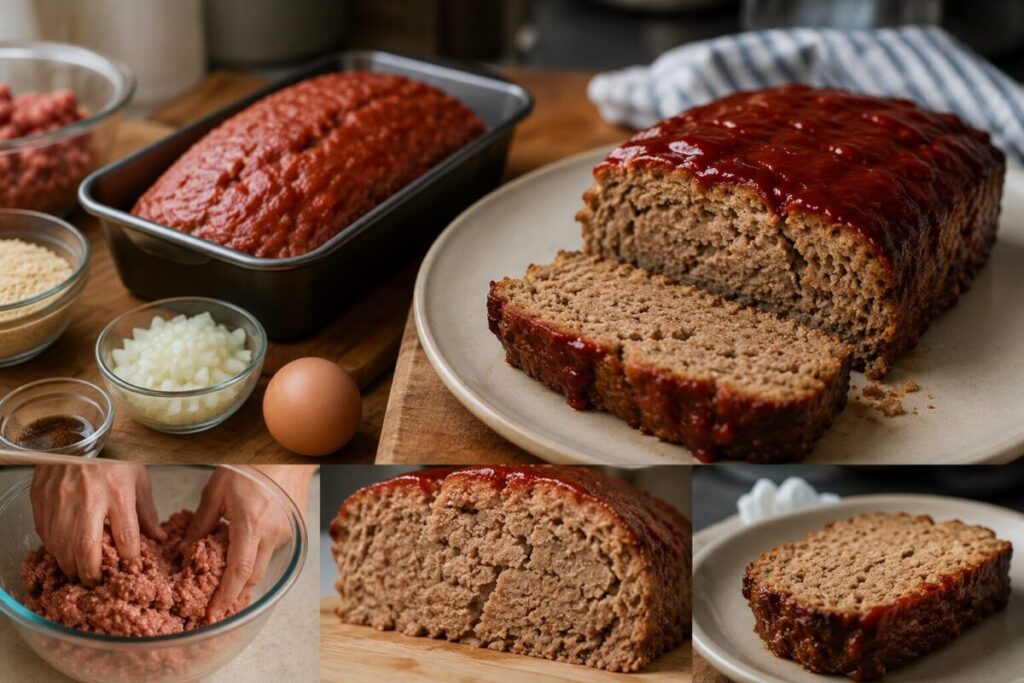
Joy of Cooking Meatloaf image

Quick Version

This is the version that gave me the best results consistently:

  • Ground beef
  • Breadcrumbs
  • Milk
  • Onion
  • Eggs
  • Worcestershire sauce
  • Salt and pepper

Bake at moderate heat and avoid overmixing.

That last part mattered more than I expected.

What I Did Wrong Initially

The first mistake was overmixing.

I kept pressing and combining the meat mixture thinking it would help everything hold together better. Instead, the meatloaf became tight and compact after baking.

The second issue was baking it too hot.

At one point, the outside looked perfect while the center still felt heavy and slightly underdone.

That’s when I realized:Meatloaf cooks more evenly when you slow things down a little.

Ingredients That Ended Up Working Best for Me

After testing a few variations, this balance worked consistently:

  • Ground beef with a little fat (lean meat alone felt too dry)
  • Breadcrumbs
  • Milk
  • Eggs
  • Finely chopped onion
  • Worcestershire sauce
  • Salt
  • Black pepper

One thing I noticed:
The onion mattered more than I expected. When I chopped it too large once, the slices stayed slightly crunchy even after baking.

Now I keep it finely chopped so it blends into the texture properly.

The Step That Changed the Texture Completely

I started soaking the breadcrumbs in milk for a few minutes before mixing everything together.

I honestly didn’t expect such a small step to matter that much—but it did.

Without it:

  • The loaf felt firmer
  • Slightly dry

With it:

  • Softer texture
  • More even moisture

That was probably the biggest improvement overall.

How I Make It Now

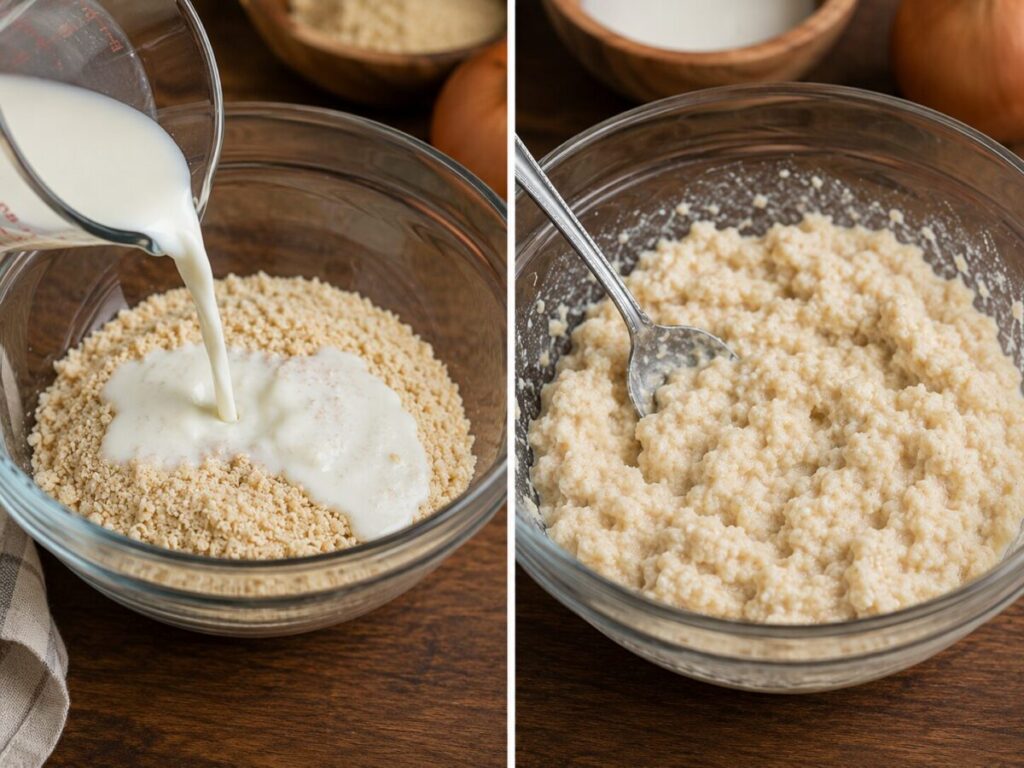
Start with the breadcrumb mixture

I combine breadcrumbs and milk first and let it sit briefly.

Around 3–5 minutes is enough.

The mixture softens and almost turns paste-like—that’s what helps the meatloaf stay tender later.

Joy of Cooking Meatloaf recipe image

Add everything else gently

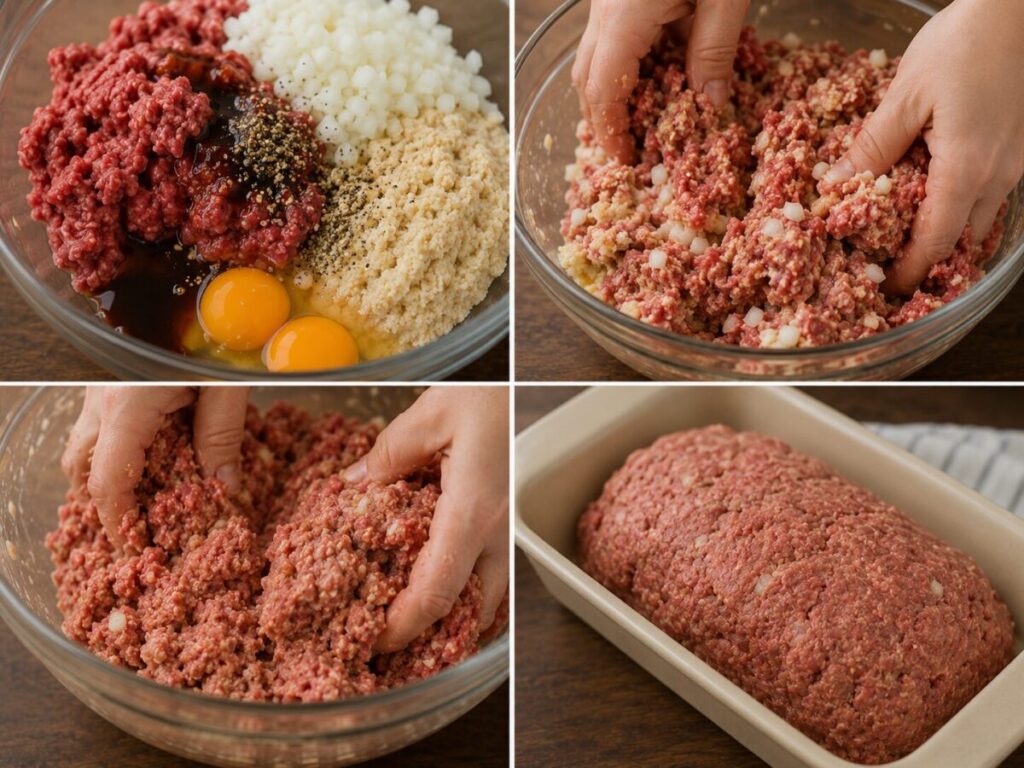
I mix in:

  • Ground beef
  • Eggs
  • Onion
  • Worcestershire sauce
  • Seasoning

But now I stop mixing as soon as it comes together.

This was hard for me initially because I kept wanting to “perfectly combine” it.

That made it worse.

Joy of Cooking Meatloaf recipe image

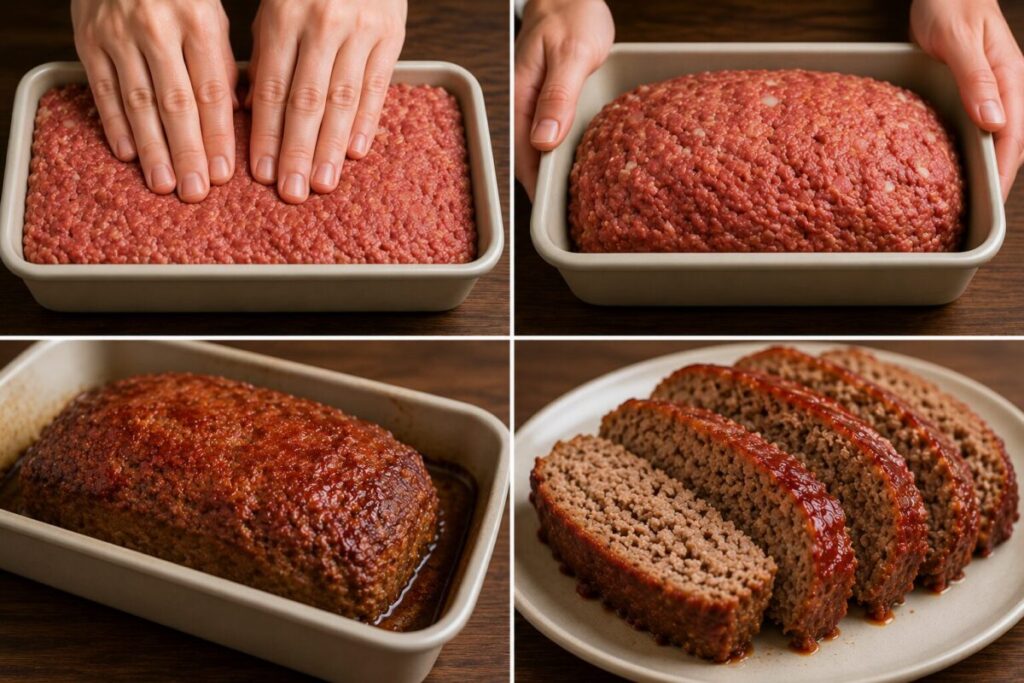
Shape it loosely

I used to pack it tightly into the pan.

Bad idea.

Now I shape it more gently, almost loosely.

It cooks more evenly and slices better afterward.

Joy of Cooking Meatloaf recipe image

What You Should Watch For While Baking

This helped me more than exact timing.

Around halfway through baking:

  • The smell becomes richer and slightly sweeter from the onions
  • The top starts darkening slightly

Toward the end:

  • The center should feel firm but not hard
  • Juices should look clearer, not heavily pink

 If the top starts darkening too quickly, I loosely cover it with foil.

One Experiment That Didn’t Work Well

At one point, I tried using extra lean beef because I thought it would feel lighter.

It didn’t work.

The loaf lost too much moisture and became crumbly after resting.

That’s when I realized a little fat is actually important here.

How Close Is It to the Classic Joy of Cooking Style?

Pretty close in flavor and texture.

The older-style versions tend to feel:

  • Softer
  • More evenly seasoned
  • Less aggressively flavored

This homemade version feels slightly richer, but still very close to that classic comfort-food style.

A Small Detail I Didn’t Expect

Resting time mattered more than I thought.

The first time I sliced it immediately after baking, it fell apart slightly.

Now I let it rest for about 10 minutes first.

That small pause changes the texture noticeably.

If It Feels Too Dry or Too Soft

A few adjustments that helped me:

  • Too dry → slightly more milk or less baking time
  • Too soft → reduce milk slightly or bake a few minutes longer
  • Too dense → mix less aggressively

Most meatloaf problems came from handling, not ingredients.

How I Serve It Now

I usually serve it with:

  • Mashed potatoes
  • Roasted vegetables
  • Simple gravy

And honestly, leftovers taste even better the next day.

The flavor settles more overnight.

Storage Notes

  • Refrigerate up to 3 days
  • Reheat gently so it doesn’t dry out

I usually add a tiny splash of broth while reheating leftover slices.

Final Thoughts

This recipe taught me that meatloaf is less about following exact measurements and more about paying attention to texture while making it.

Once I stopped overworking the mixture and focused more on moisture balance, everything improved.

Now it’s one of those meals that feels simple—but only because I learned what not to rush anymore.

Leave a Comment

Your email address will not be published. Required fields are marked *

Scroll to Top