Some recipes happen because you’re carefully planning a weekend brunch. This wasn’t one of them.
The first time I made this JalbiteSnacks Brunch Recipe, I was actually trying to use up random ingredients sitting in my refrigerator before a grocery run. I had eggs, a couple of vegetables that needed attention, some bread, and a handful of herbs that were about a day away from being forgotten.
What came out of that experiment wasn’t perfect. In fact, my first attempt was a little disappointing.
The vegetables released too much moisture, the bread lost its texture, and the whole thing felt heavier than I expected. But there was something about the combination that made me want to try again.
A few adjustments later, it became one of those recipes I now make without looking at notes.
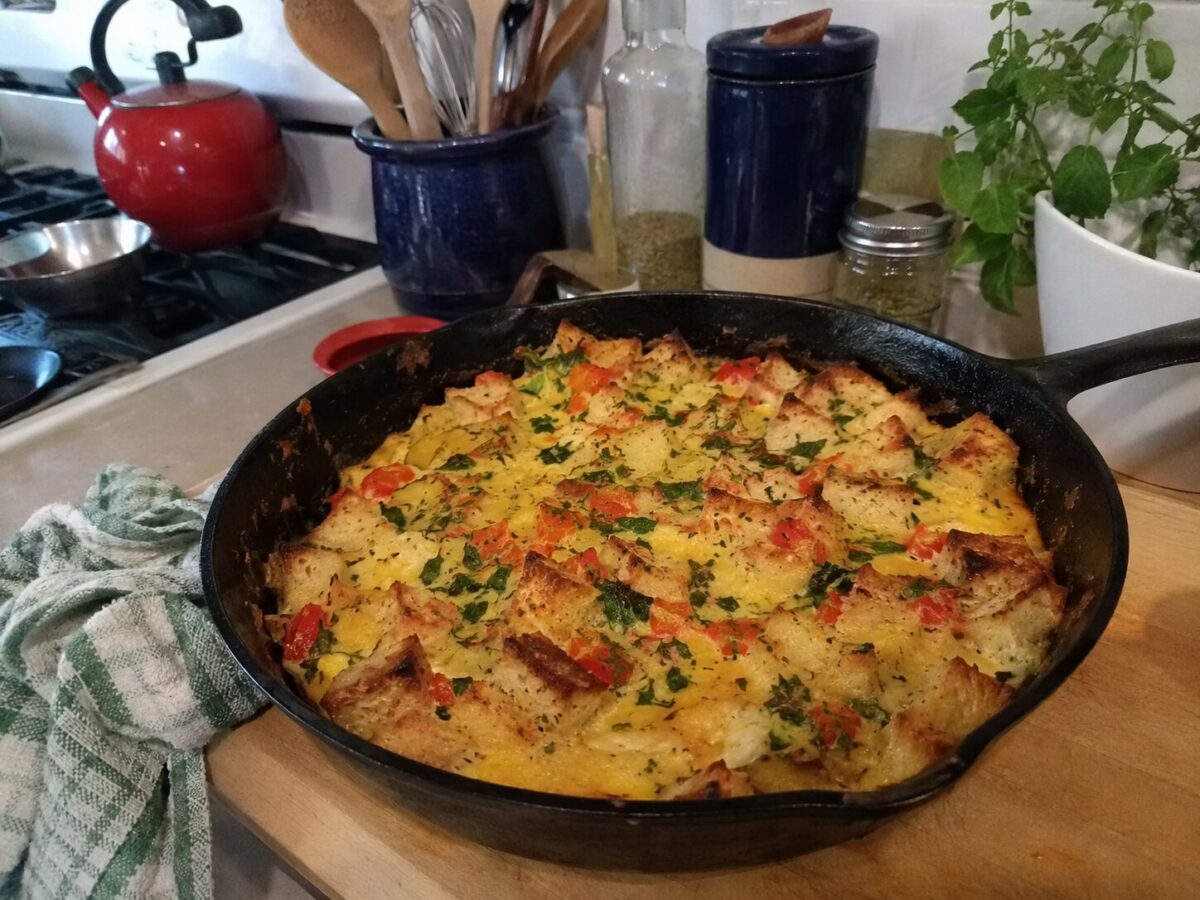
What This Recipe Actually Is
If you’ve never heard of a JalbiteSnacks-style brunch, think of it as a savory, loaded breakfast skillet crossed with a quick café-style brunch plate.
It combines crisp bread, sautéed vegetables, eggs, herbs, and a few simple seasonings into something that feels more substantial than breakfast but lighter than a full lunch.
The beauty isn’t in any single ingredient.
It’s in how the textures work together.
That took me a few attempts to understand.
The Ingredients I Settled On
After several rounds of testing, this combination consistently gave me the best results:
- 4 slices rustic bread, cubed
- 2 tablespoons olive oil
- 1 small onion, diced
- 1 bell pepper, diced
- 1 medium tomato, chopped
- 4 eggs
- 2 tablespoons chopped parsley
- 1 teaspoon paprika
- ½ teaspoon black pepper
- Salt to taste
- Optional: chili flakes for heat
- Optional: crumbled feta cheese
Nothing fancy.
In fact, I think adding too many ingredients makes the recipe worse.
One of my early mistakes was trying to throw in mushrooms, spinach, zucchini, and cheese all at once. The pan became crowded, everything steamed, and I lost the contrast between crispy and soft textures.
The Mistake That Changed Everything
The biggest failure happened during my second attempt.
I cooked all the vegetables together over low heat because I was worried about burning them.
Bad idea.
The onions never caramelized, the peppers softened too much, and the tomatoes released enough liquid to turn the bottom of the skillet soggy.
The final dish tasted fine, but the texture was completely wrong.
The next time, I increased the heat slightly and cooked the vegetables in stages.
That single change transformed the entire recipe.
The onions developed a little sweetness.
The peppers kept some bite.
And the tomatoes stayed fresh instead of dissolving into sauce.
Sometimes the difference between average and memorable isn’t a new ingredient. It’s simply cooking the existing ingredients differently.
How I Make It Now
I start by heating olive oil in a large skillet.
The bread cubes go in first.
This might seem unusual, but I learned that toasting them separately creates a much better texture than adding them later.
I cook them until they develop golden edges and then transfer them to a plate.
Next come the onions.
I let them cook longer than most recipes suggest.
Not until they’re deeply caramelized, but long enough to lose their sharp raw smell.
Then I add the peppers and continue cooking for another few minutes.
The tomatoes go in last.
Only a short cook here.
Just enough to soften them slightly.
Once the vegetables are ready, I season everything with paprika, salt, and black pepper.
The eggs are cracked directly into the skillet.
Sometimes I leave them whole.
Other times I lightly scramble them into the vegetables.
Both work, but I usually prefer leaving them mostly intact because it gives the finished dish more contrast.
The toasted bread goes back into the pan right at the end.
Not earlier.
That timing matters.
Adding it too soon allows the bread to absorb excess moisture and lose its crunch.
A quick toss, a sprinkle of parsley, and it’s ready.
An Unexpected Observation
One thing I didn’t expect was how much the smell changes during the final minute.
When the toasted bread gets reintroduced to the skillet, it absorbs just enough of the paprika-infused oil that the aroma suddenly becomes much richer.
The first time I noticed it, I actually checked the stove because I thought something new had started cooking.
Nothing had.
The bread was simply picking up the flavors already in the pan.
It’s a small detail, but it’s one of my favorite parts of making this recipe now.
A Few Things That Matter More Than They Seem
Don't Use Fresh Bread
Fresh bread sounds better in theory.
In practice, slightly stale bread performs much better.
It crisps faster and holds its structure longer.
I’ve tested both.
The difference is noticeable.
Tomatoes Need Restraint
The temptation is to add more tomatoes for extra flavor.
Every time I tried that, the skillet became wetter and heavier.
One medium tomato is usually enough.
Salt Late If Possible
Vegetables release water when salted.
If you season too early, you may end up with extra moisture in the pan.
I usually wait until the vegetables are mostly cooked before seasoning.
Easy Variations
I’ve changed this recipe many times depending on what was available.
Some versions worked better than others.
A few that consistently turn out well:
- Add diced avocado after cooking
- Swap parsley for fresh cilantro
- Use sourdough instead of rustic bread
- Add cooked chicken for extra protein
- Finish with feta cheese for a salty contrast
The avocado version became a surprise favorite.
The cool creaminess works really well against the warm vegetables and crispy bread.
Leftovers: Better Than I Expected
I normally don’t get excited about leftover brunch dishes.
Most lose their texture overnight.
This one holds up surprisingly well if stored properly.
I keep leftovers in an airtight container for up to two days.
When reheating, I avoid the microwave whenever possible.
A quick skillet reheat brings back much more texture.
The bread won’t be as crisp as fresh, but it’s still far better than microwaving.
Common Questions
Can I make it ahead of time?
Partially.
You can prepare the vegetables ahead of time, but toast the bread and cook the eggs just before serving.
Can I make it vegetarian?
It already is.
Just skip any optional meat additions.
Can I make it spicy?
Absolutely.
Chili flakes, diced jalapeños, or your favorite hot sauce all work well.
Which bread works best?
Rustic bread, sourdough, or a sturdy artisan loaf consistently give the best results.
Soft sandwich bread tends to break down too quickly.
Final Thoughts
What I like most about this JalbiteSnacks Brunch Recipe isn’t that it’s complicated or impressive.
It’s that small changes actually matter.
A few extra minutes on the onions.
Adding tomatoes later.
Waiting until the end to return the bread to the skillet.
Those little adjustments took this from something I’d probably never make again to a brunch recipe I’ve repeated more times than I expected.
And honestly, those are usually the recipes worth keeping.